Equipment
SportsMuntra Gear Desk
The SportsMuntra Gear Desk covers bats, balls, gloves and protective equipment — legal specifications from the MCC Laws first, then what those numbers mean when you are choosing kit.
Articles by SportsMuntra Gear Desk (17)
Cricket Abdominal Guard Guide: fit, support and safe use
An abdominal guard, often called a box, must fit securely and be worn with the correct support garment. It is protective equipment, not a substitute for pads, gloves or a helmet.
How to Replace a Cricket Bat Grip Safely
A cricket-bat grip should sit securely on the handle without hiding a crack or changing control. Replace a worn grip carefully and stop if the handle is structurally damaged.
Cricket Chest Guard Guide: when extra protection makes sense
A chest guard is additional protection for players exposed to hard-ball impact, especially at close range. It must fit under the player’s kit without restricting movement or creating a false sense of security.
Cricket Helmet Safety Standards: what buyers should verify
A cricket helmet should meet a recognised safety standard and fit the player’s head and face protection requirements. Standards vary by market, so the label and current competition rules both matter.
Cricket Inner Gloves Guide: comfort, sweat and fit
Inner gloves can improve comfort and help manage sweat under batting gloves, but they do not replace protective batting gloves. Choose a close fit that does not bunch fingers or reduce grip.

Cricket Shoes Guide: spikes, traction and playing surface
Cricket shoes should match the surface, playing level and the player’s movement needs. Spikes can improve traction but are not suitable for every indoor, artificial or community surface.
How to Choose a Cricket Helmet: fit and safety checks
Choose a cricket helmet by certified protection, fit, grille position and the level of ball exposure. A helmet that moves or leaves gaps is not made safe by a low price.
How to Tap a Cricket Bat: preparation, limits and safety
Bat knocking-in is preparation for a wooden bat, not a guarantee against every crack. Follow the maker’s instructions, use a proper mallet and inspect the bat before play.

Best Tennis-Ball Cricket Bats: how to choose one safely
A no-hype guide to selecting a cricket bat for tennis-ball games, practice and soft-ball formats.

Cricket Bat Repair: what can be fixed and when to stop
A safe maintenance guide for cracks, toe damage, loose grips and cricket-bat refurbishment.

Cricket Bats Used by Professional Players: how to verify the claim
How to assess professional-bat claims without confusing a sponsorship deal, a model range and the bat actually used in a match.
Cricket Batting Gloves Guide: sizing, protection and grip
A practical guide to batting gloves, finger protection and the difference between a secure fit and an over-tight glove.
Cricket Batting Pads Guide: fit, protection and buying checks
How batting pads work, how they should fit and what to check before a hard-ball innings.

Cricket Fielding Equipment: what close fielders actually need
A safety-first guide to protective equipment for wicketkeepers, close fielders and recreational players.

Cricket Kit Price Guide: what a complete setup includes
A transparent cricket-kit budgeting guide that separates essential equipment from optional upgrades.

English Willow vs Kashmir Willow Cricket Bats: what changes?
A practical, source-led comparison of English willow and Kashmir willow cricket bats, including fit, care and rule checks.
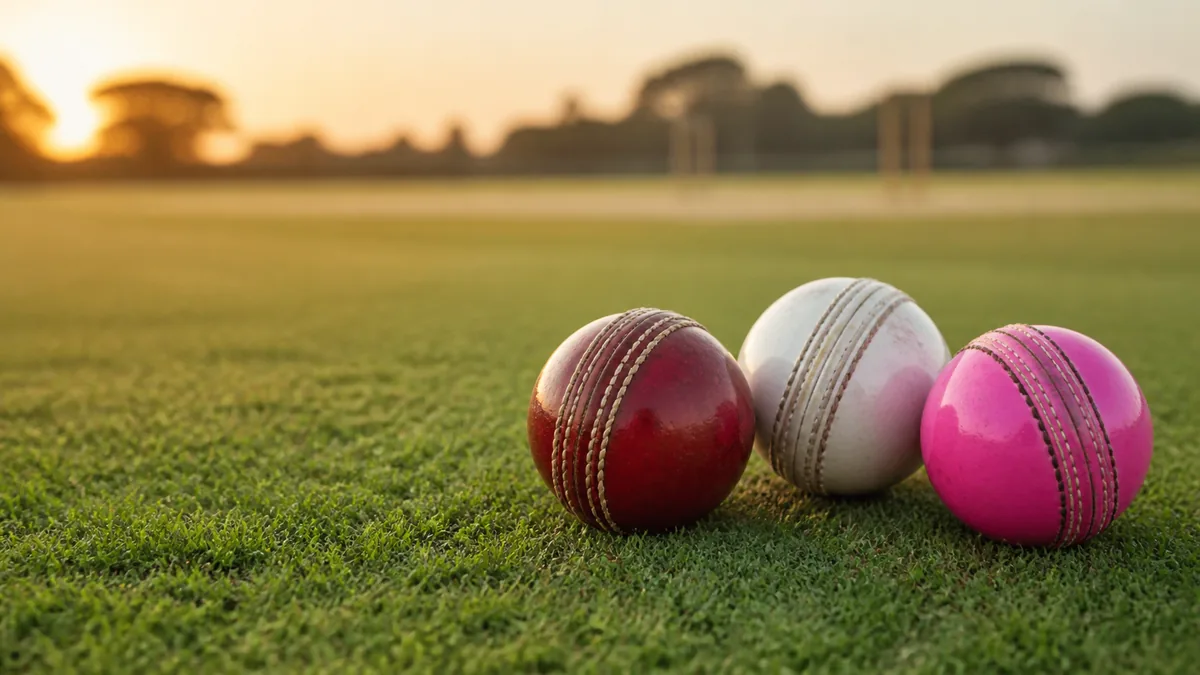
Types of Balls in Cricket: Red, White and Pink Explained
Cricket uses red, white and pink leather match balls. Compare their formats, visibility and wear, plus training balls, official sizes and major brands.