Rules & Terms
What Is a Bouncer in Cricket? Rules and Safe Use
A bouncer is a short-pitched delivery that rises sharply after pitching. Its legal limit depends on the competition’s playing conditions, so bowlers must check the current Test, ODI, T20 or domestic rule set.
Cricket Ball Weight and Size: What the Laws Require
A new men’s cricket ball must weigh 155.9–163 grams and measure 22.4–22.9 centimetres in circumference under MCC Law 4. Women’s and junior specifications can differ under the relevant playing conditions.
Cricket Batting Stance: A Safe Starting Position
A useful batting stance gives the player balance, a repeatable head position and enough freedom to move the bat. There is no single universal stance; foot placement and trigger movement must suit the batter and coaching context.
How Long Is a Cricket Pitch? The Official 22-Yard Measurement
A standard cricket pitch is 22 yards (20.12 metres) long and 10 feet (3.05 metres) wide under MCC Law 6. The pitch is not the same thing as the whole field or the boundary.
Cricket Powerplay Rules: How Fielding Restrictions Work
Powerplay rules restrict where fielders may stand during defined overs, but the exact circle, over count and exceptions depend on the format’s current playing conditions. ODI and T20 rules must be explained separately.
How Is Cricket Scored? Runs, Wickets, Overs and Extras
Cricket scoring records runs, wickets and legal balls, then adds extras such as wides, no-balls, byes and leg byes to the team total. The Laws separate the batter’s runs from extras.
What Is a Leg Bye in Cricket? Scoring the Extra
A leg bye is an extra scored when the ball makes contact with the batter or equipment other than the bat and the batters complete runs, subject to Law 23. It is recorded against the team, not the batter’s personal runs.
Maiden Over Meaning in Cricket: What Counts?
A maiden over is a completed over in which the batting side scores no runs credited to the bowler. Wides and no-balls prevent a six-ball over from being a legal maiden in the normal scorecard sense.
Wide Ball Rules in Cricket: Runs, Dismissals and the Call
A wide is called when the ball passes outside the striker’s reach for a normal stroke, subject to the umpire’s judgement and competition conditions. It adds at least one extra and does not count as one of the over’s six legal balls.
What Is a Yorker in Cricket? Length, Aim and Limits
A yorker is a delivery aimed at the batter’s toes or the base of the stumps, usually pitching very full. It is a bowling description, not a separate dismissal or a guarantee that the ball will hit the wicket.
Cricket Bat Size Guide: Junior Sizes, Adult Length and Law Limits
Use a cricket bat size chart by player height, then check pickup and the Laws of Cricket. Learn the difference between junior sizing, adult short-handle bats and legal dimensions.
Cricket Bat Weight Guide: How Heavy Should Your Bat Be?
Learn cricket bat weight ranges, pounds-to-grams conversion, pickup and how to choose a bat that matches your strength, height and batting style.
Types of Bowling in Cricket: Pace, Swing, Seam and Spin
A clear guide to the main types of bowling in cricket, including pace, swing, seam, off-spin, leg-spin and variations such as cutters and slower balls.

Cricket Fielding Positions Explained: A Simple Field Setup Guide
Learn every main cricket fielding position, where it sits relative to the batter and when captains use slips, point, cover, midwicket and the boundary riders.
How Many Wickets Are There in Cricket? Team, Innings and Pitch Explained
Cricket has two physical wickets, 10 dismissals to end a normal innings and 11 players in a side. Here is how each meaning fits together.
Round the Wicket vs Over the Wicket: What Is the Difference?
Round the wicket and over the wicket describe the bowler's approach to the stumps. Learn the MCC definitions, angles and tactical reasons for switching.
Box Cricket Rules: Common Formats, Teams and Scoring
Box cricket has no single worldwide rulebook. Use this practical guide to common indoor and enclosed-court formats, local variations, scoring and safety.
Cricket Umpire Signals: A Plain-English Guide to Every Call
Learn the cricket umpire signals for out, four, six, no-ball, wide, dead ball, review, drinks and the new ball, with text alternatives for every gesture.
What Is Umpire's Call in Cricket? DRS and LBW Explained
Umpire's Call keeps the on-field LBW decision when ball-tracking shows a marginal result. Learn what it means, when it applies and why the review is retained.
Cricket Umpire Rules: Duties, Signals, Reviews and Match Control
What cricket umpires must do before, during and after a match: appeals, signals, no-balls, reviews, safety, scoring and MCC Law responsibilities.
Bowling Spell Meaning in Cricket: Overs, Rest and Scorecards
A bowling spell is the continuous block of overs a bowler delivers before leaving the attack. Learn how spells appear in strategy and scorecard analysis.
Chucking Meaning in Cricket: Illegal Bowling Actions Explained
Chucking means throwing rather than legally bowling. Learn the MCC arm rule, the ICC 15-degree assessment threshold and the fair reporting process.
Cricket Field Dimensions: Pitch, Crease and Boundary Measurements
A cricket pitch is 22 yards long and 10 feet wide, but the boundary is not one fixed circle. See the official dimensions and what changes by venue and format.
Fielding Restrictions in Cricket: ODI and T20 Powerplays Explained
Current men's ODI and T20I powerplays limit how many fielders can stand outside the 30-yard circle. See the phases, penalties and shortened-innings caveats.
What Does the Fourth Umpire Do in Cricket?
The fourth umpire supports the on-field and TV officials with pitch access, equipment, balls, weather and match administration.
No-Ball Rules in Cricket: Types, Penalty and Free Hits
Learn what makes a no-ball, how the one-run penalty works, which dismissals remain possible and when a free hit applies.
What Is MCC in Cricket? The Club, Laws and Its Role
MCC means Marylebone Cricket Club. Learn how it differs from the ICC and why it remains the guardian of cricket's Laws.
What Is Cow Corner in Cricket? Field Position and Meaning
Cow corner is the informal cricket field area between deep midwicket and long-on. Learn the meaning, location and shots played there.
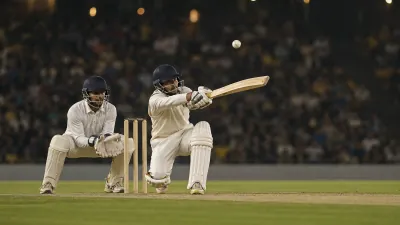
Innovative Shots in Cricket: Scoop, Switch Hit and More
Learn the main innovative cricket shots, how each one works, which field gap it targets, and the differences between scoops, sweeps and switch hits.
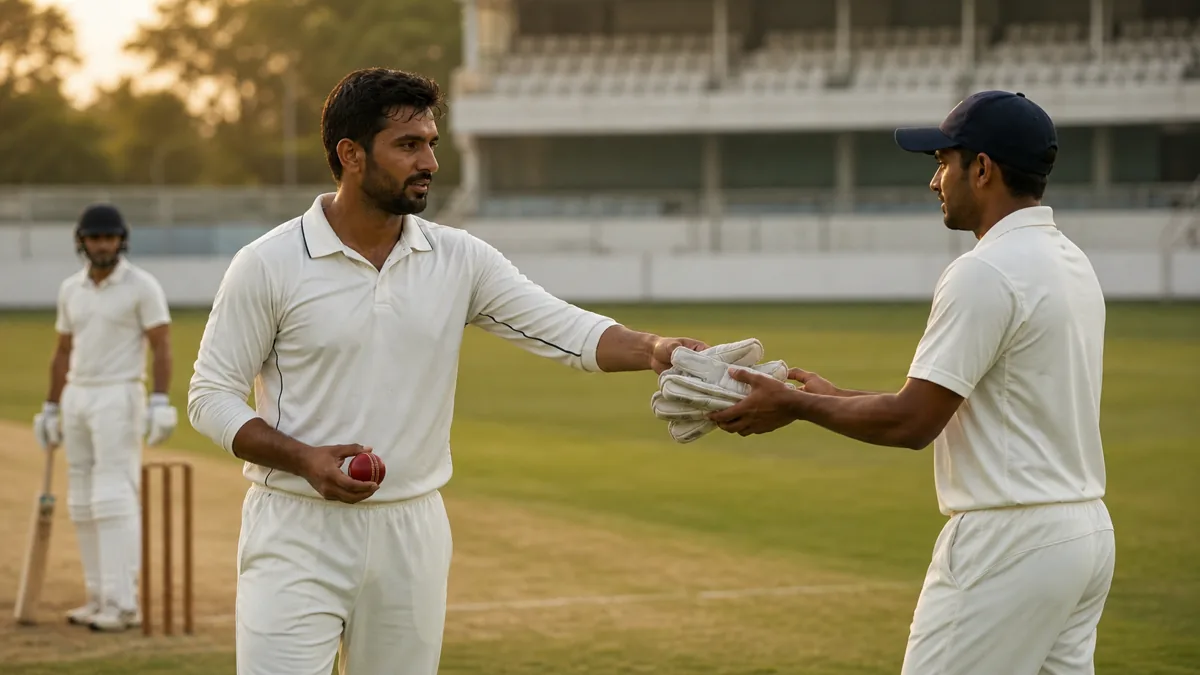
Can a Wicketkeeper Bowl in Cricket? The Rule Explained
Yes, a wicketkeeper can bowl in cricket. See how teams switch keepers, when substitutes cannot bowl, and what happens to the gloves and pads.
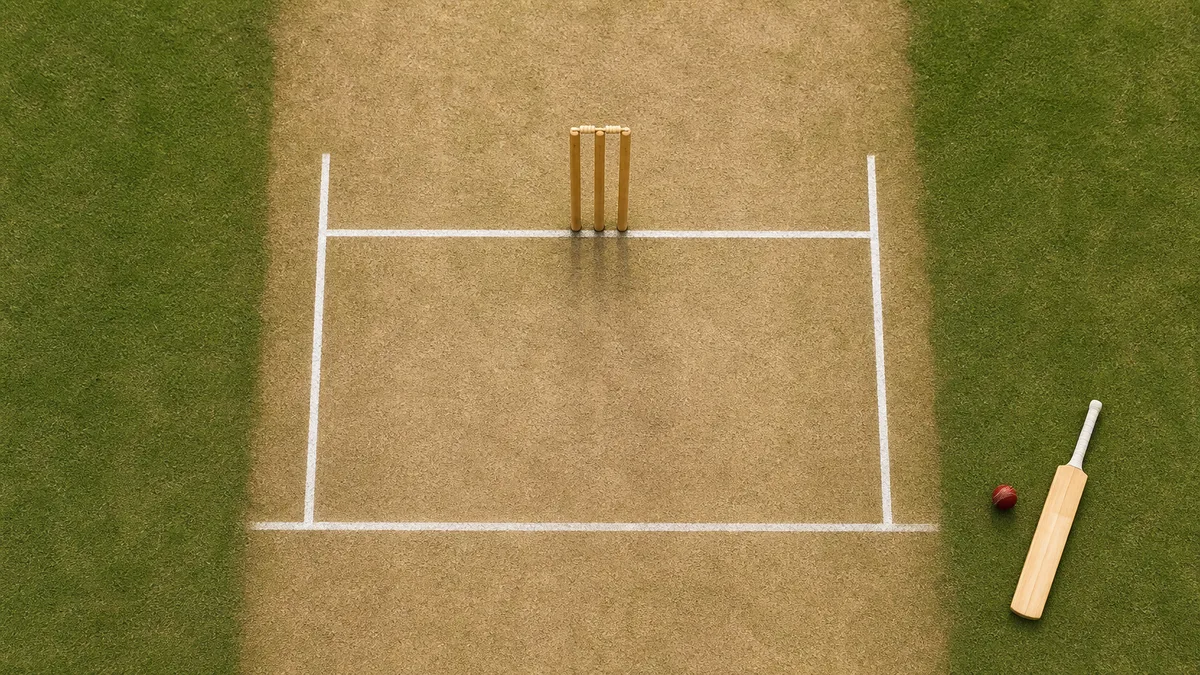
How Many Creases Are There in Cricket? All Lines Explained
A cricket pitch has four creases at each end: one bowling, one popping and two return creases. See all eight positions, dimensions and uses.
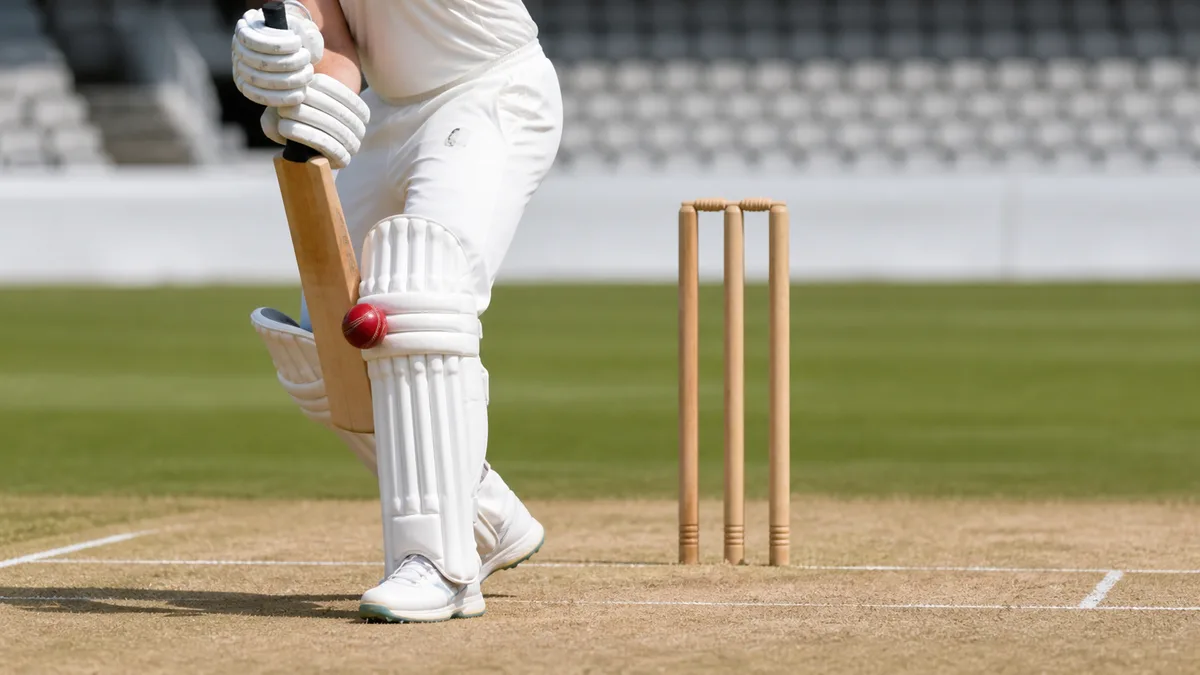
LBW Full Form in Cricket: Leg Before Wicket Explained
LBW stands for leg before wicket. Learn the five conditions in MCC Law 36, when a batter is not out, and how DRS and umpire's call work.
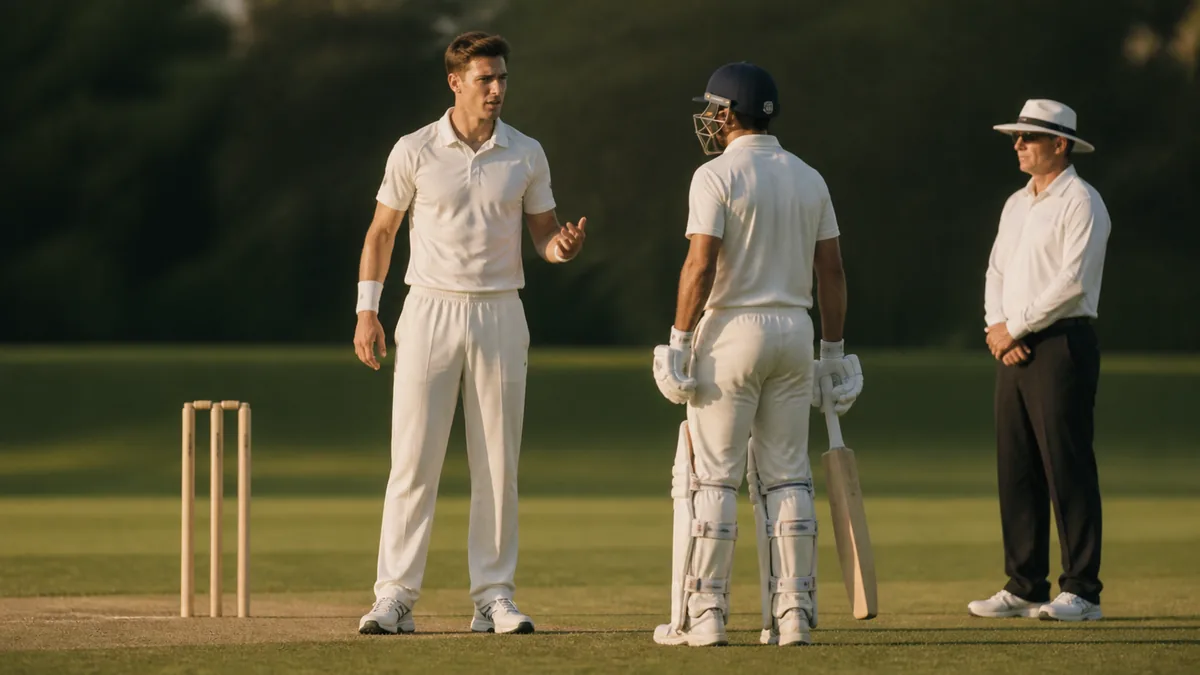
Meaning of Sledging in Cricket: Banter, Abuse and Rules
Sledging means using words or gestures to unsettle a cricket opponent. Learn what may be tolerated, what breaks Law 42 and how serious abuse is punished.
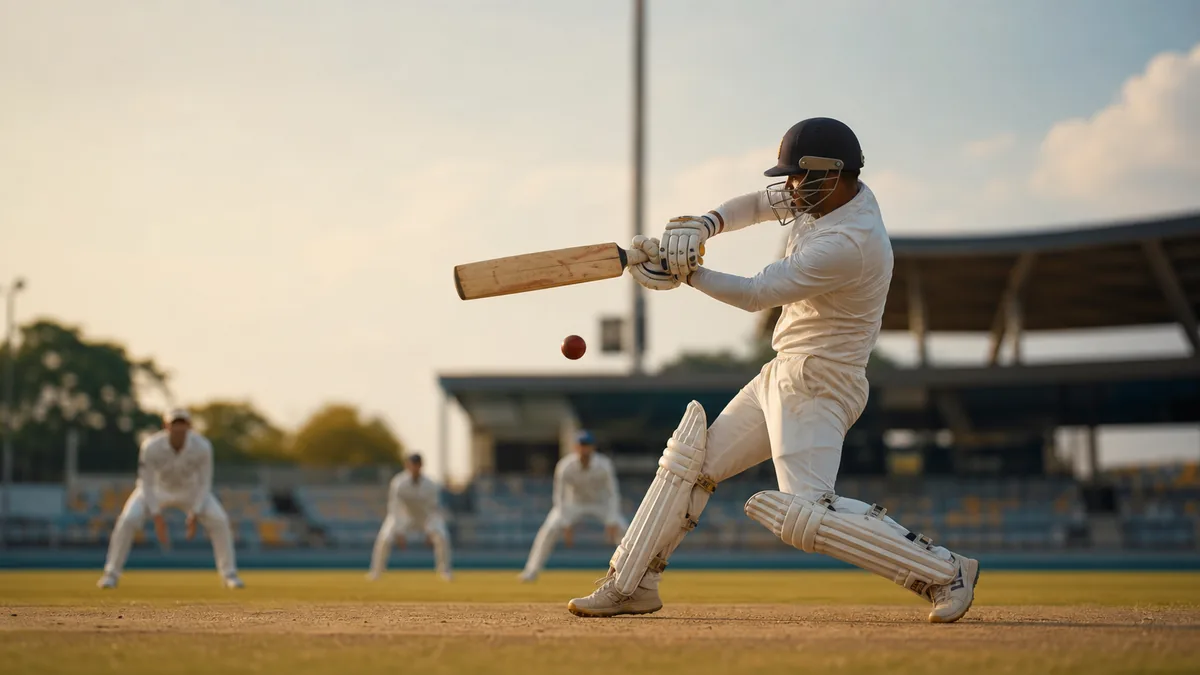
Slogger Meaning in Cricket: More Than a Big Hitter
A slogger hits hard to score quickly, often with limited control. Learn how sloggers differ from power hitters, finishers and technically attacking batters.
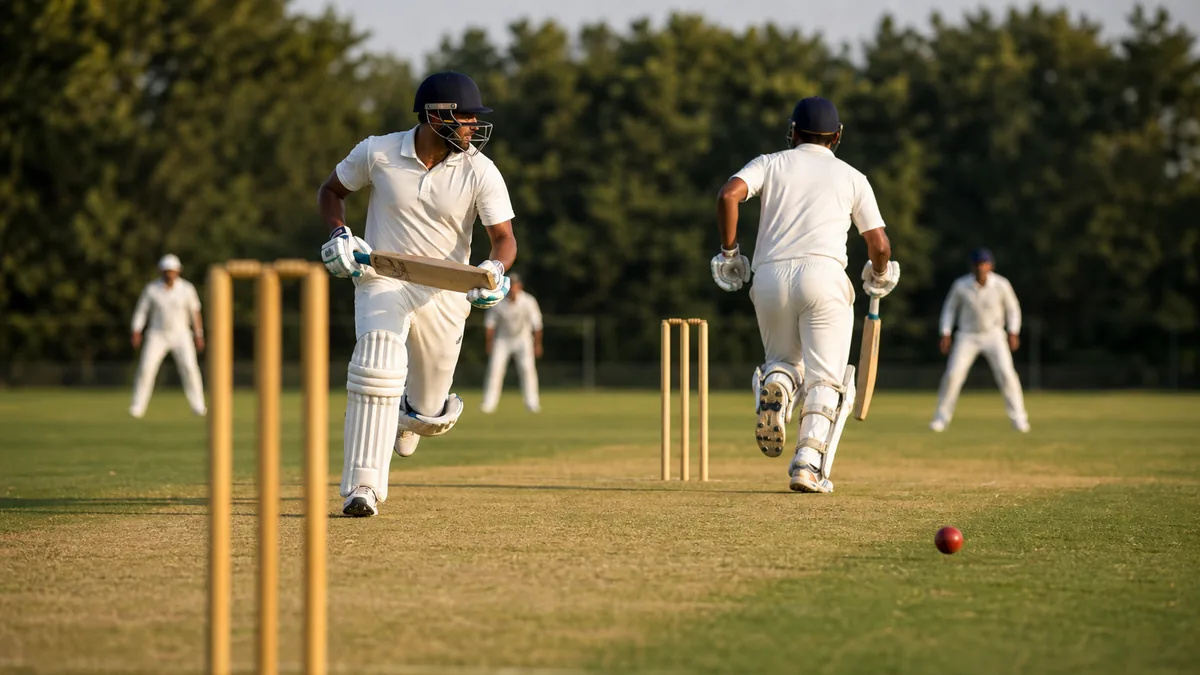
What Is an Innings in Cricket? Meaning and Rules
An innings is one team's turn to bat, or one batter's time at the crease. Learn how innings work in Tests, ODIs and T20s and the five ways they end.
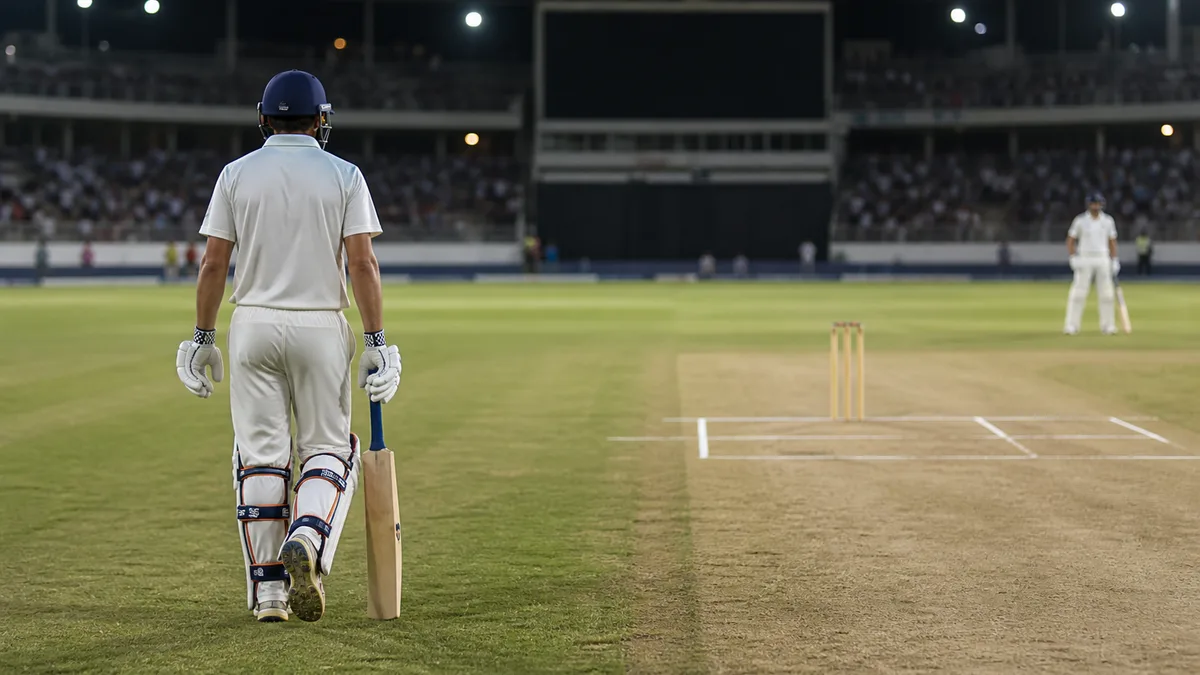
What Is Retired Out in Cricket? Law 25 Explained
Retired out means a batter leaves voluntarily and is recorded out. Learn MCC Law 25, whether the batter can return, and how it differs from retired hurt.

Cricket Abbreviations and Full Forms: The Complete List
Every cricket abbreviation and its full form: ODI, LBW, DRS, DLS, NRR, SR, ER, TBC, TBD, RSA, DNB, c&b, st and more, grouped by where you see them.
ODI Full Form in Cricket: Meaning, 50 Overs and Rules
ODI means One Day International. Learn its 50-over format, 300 balls, bowler limits, powerplays, DLS rain rules and 60-over history.
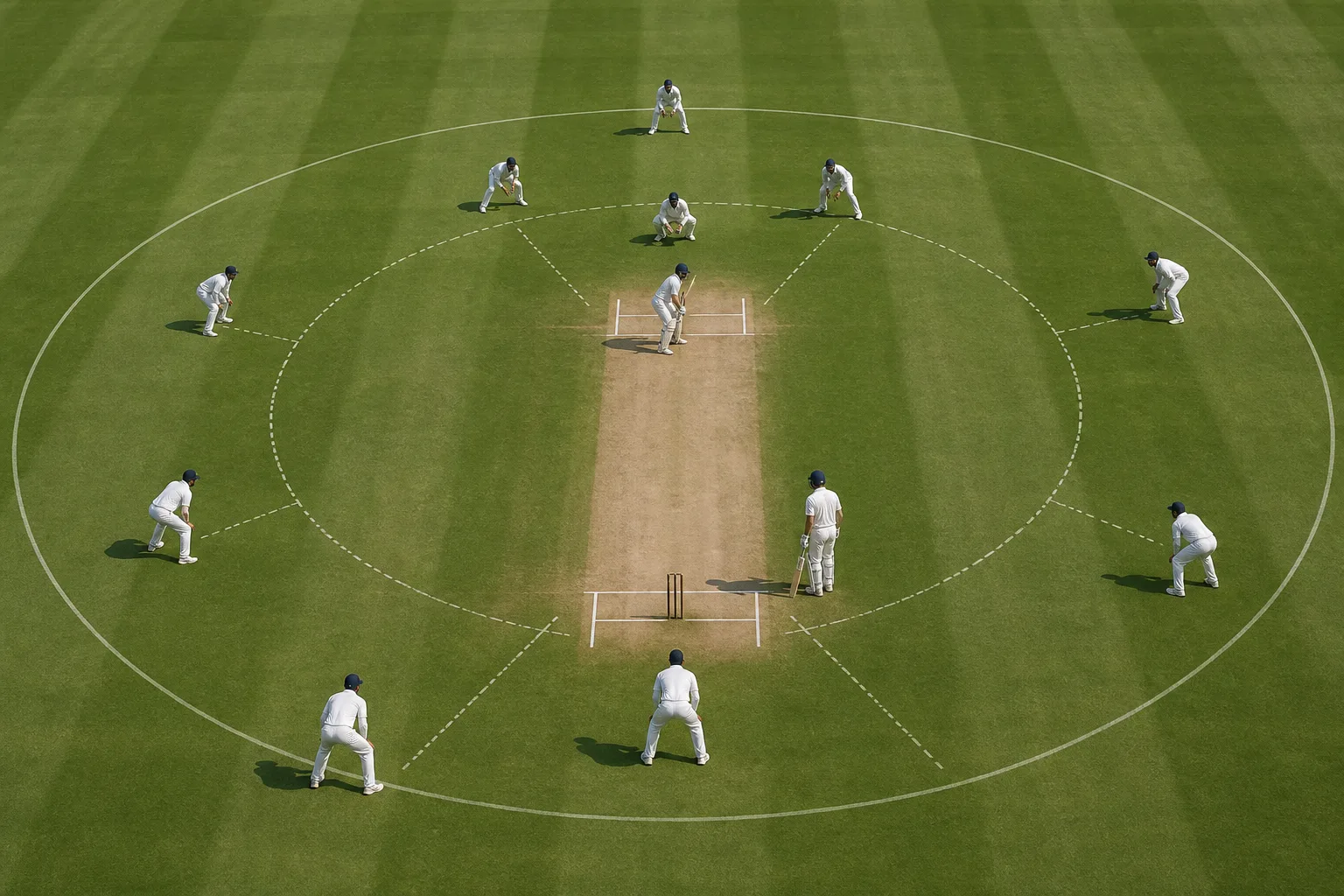
How Many Players in a Cricket Team? 11 on the Field
A cricket team has 11 players on the field. Here is the full squad, the 12th man, what substitutes may do, concussion subs and the IPL Impact Player rule.
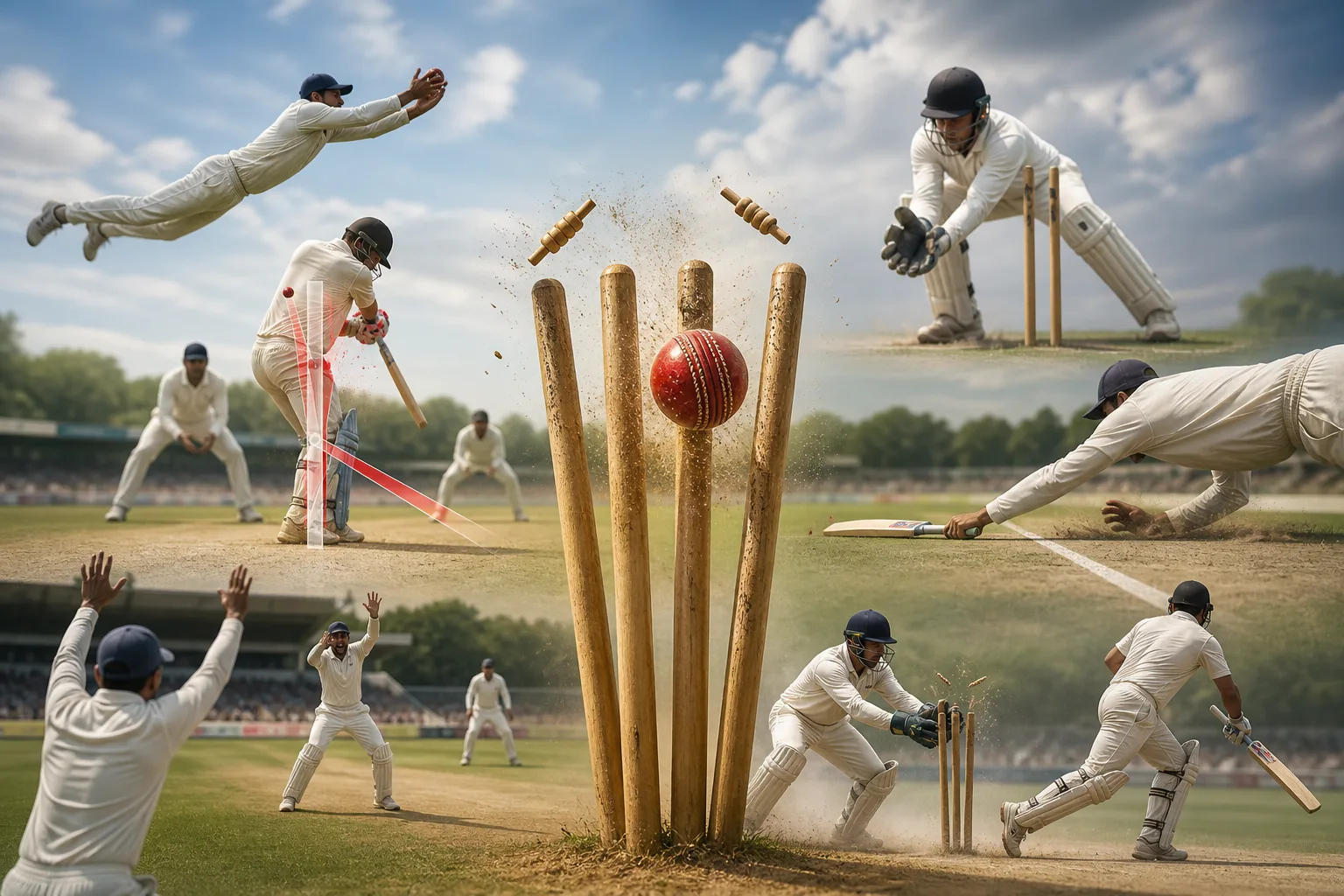
How Many Ways Can You Be Out in Cricket? All 10
All 10 ways a batter can be out under the MCC Laws, with Law numbers, how often each happens, and which dismissals actually credit the bowler.

ICC Full Form in Cricket: What It Stands For and Does
ICC full form in cricket is International Cricket Council, the global governing body based in Dubai. Here is what it runs and what it does not control.
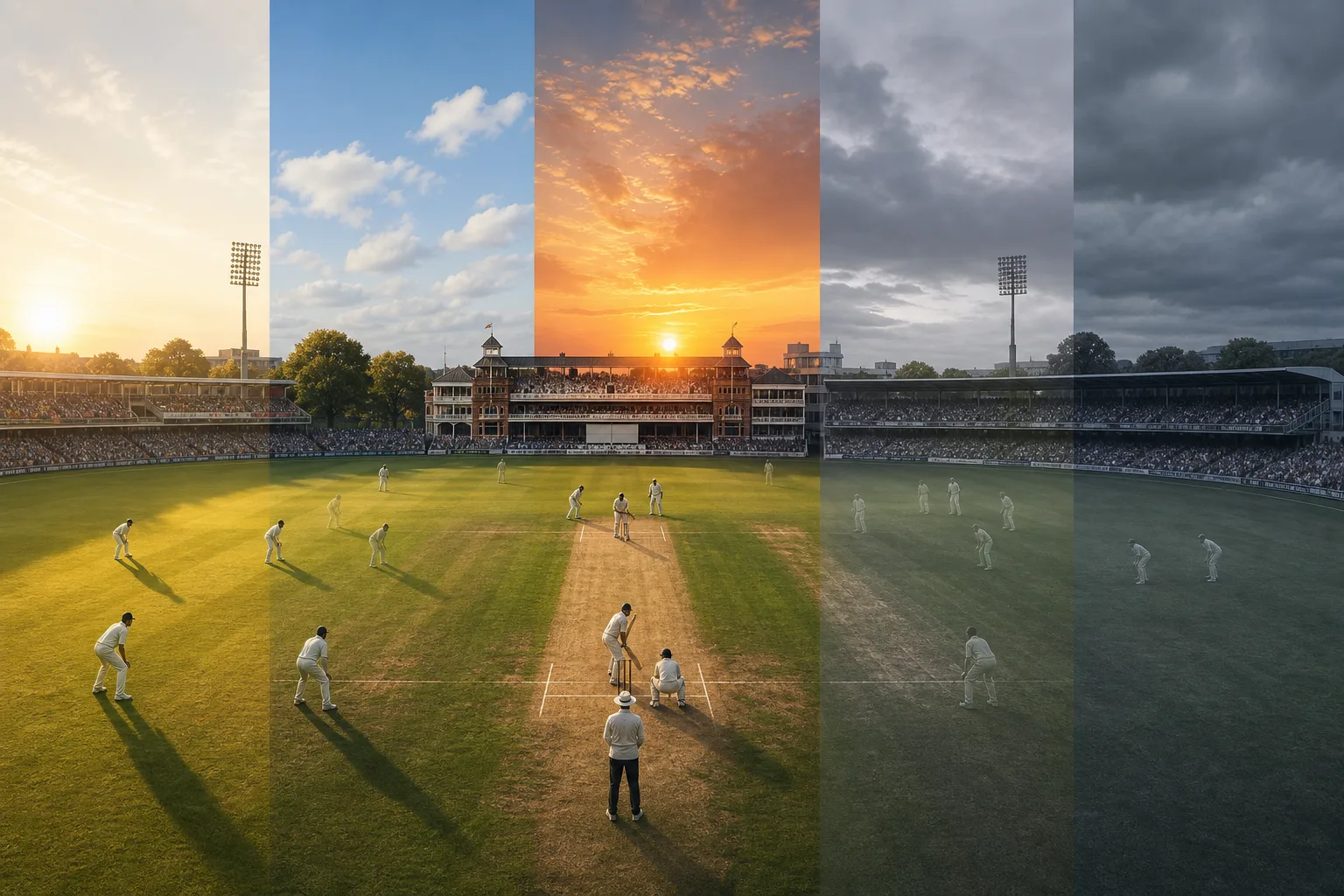
What Is a Test Match in Cricket? The 5-Day Format
A Test match is cricket's five-day format: two innings a side, no over limit, a draw if nobody wins. The rules, Test status and the WTC explained.
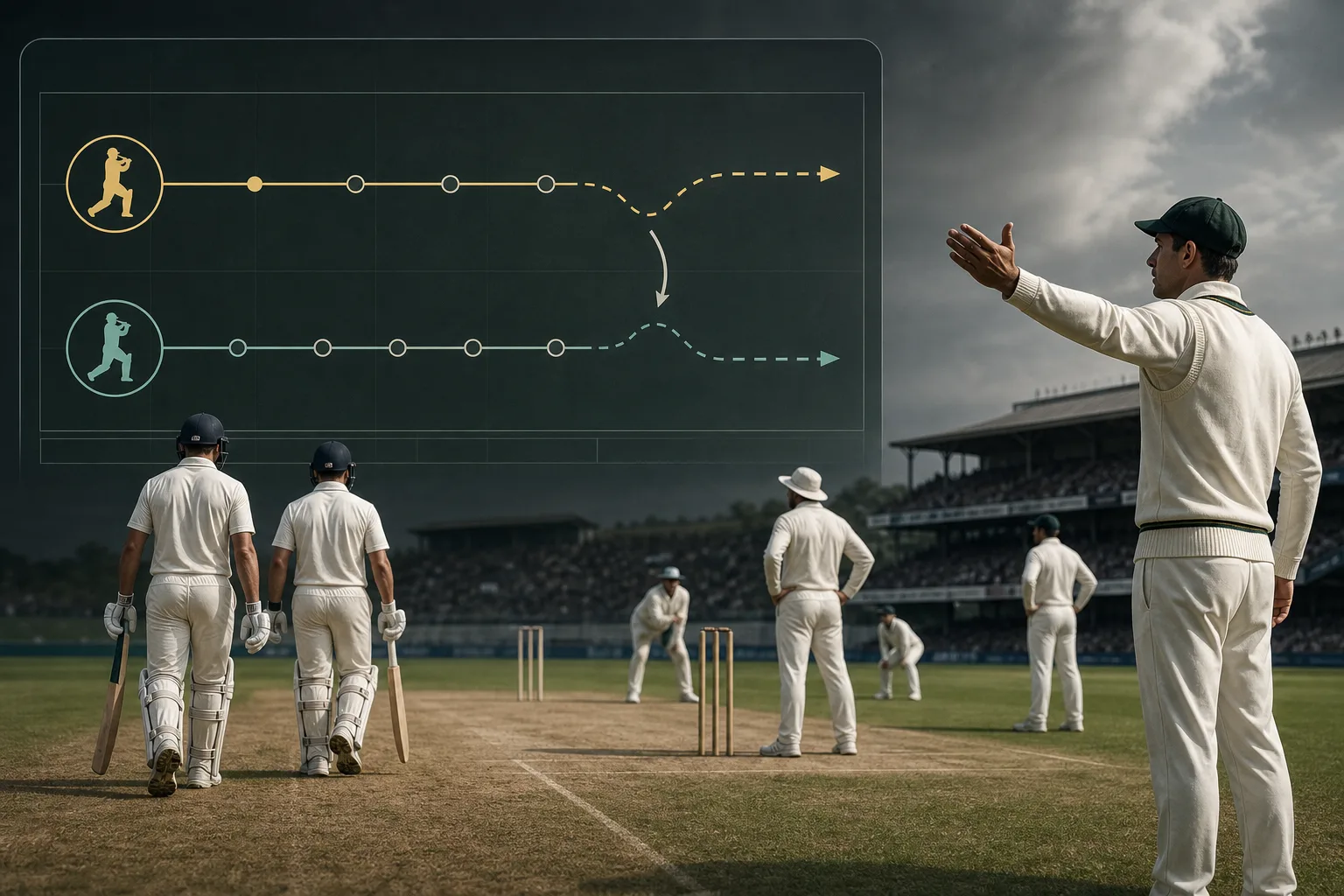
What Is the Follow-On in Test Cricket? Law 14 Explained
The follow-on lets a captain make the trailing side bat again. Here are the 200-run rule, the margins for shorter matches, and when enforcing it backfired.

What Is a Super Over? Cricket Tie-Break Rules
How a Super Over works: six balls, three batters, one bowler, two wickets and out. Plus what happens when the Super Over itself ends in a tie.