Cricket No-Ball Types: what changes by format

On this page5
A no-ball can result from different breaches, including foot placement or an illegal delivery, and the penalty and free-hit treatment depend on the current playing conditions. Always separate MCC Law 21 from competition-specific additions.
This is a practical guide, not hands-on testing or a replacement for the Laws of Cricket.
What is the short answer?
A no-ball can result from different breaches, including foot placement or an illegal delivery, and the penalty and free-hit treatment depend on the current playing conditions. Always separate MCC Law 21 from competition-specific additions.
Fit, safety and the actual competition rules matter more than a generic “best” claim.
| Decision point | What to check | Why it matters | Safe action |
|---|---|---|---|
| Front-foot | Bowler’s delivery stride | Umpire judges the line | Use Law 21 |
| Bouncer limit | Competition restriction | Limits differ by format | Check playing conditions |
| Penalty | Run and possible free hit | Free-hit rules are format-specific | State the competition |
Which rules and standards apply?
MCC Laws provide the core framework. ICC, board and recreational regulations can add equipment or match-specific requirements, so read the current competition document before acting.
What should beginners avoid?
Do not use a retailer description as a rulebook, hide structural damage with tape or copy a professional setup without checking fit and use.
How should readers recheck this guide?
Recheck official links, safety advice and any claim that can change. A routine check does not require a new publication date unless the article materially changes.
Frequently asked questions
Is there one universally best choice?
No. Player, ball, surface, level and rules all matter.
Can this replace a coach or fitter?
No. Use qualified help where safety or fit is uncertain.
Are marketplace claims enough?
No. Verify against governing-body and manufacturer information.
When should equipment be replaced?
When protection, fit or structural integrity is compromised.
What should be checked before a match?
Fit, condition, legality and the organiser’s current requirements.
Bottom line
Choose from evidence, fit and the Laws of Cricket rather than a slogan or a single price.
Related SportsMuntra reading
Frequently asked questions
What is the short answer?+
A no-ball can result from different breaches, including foot placement or an illegal delivery, and the penalty and free-hit treatment depend on the current playing conditions. Always separate MCC Law 21 from competition-specific additions.
Why can figures or advice differ?+
Rules, dates, player fit and source scope differ, so this page states its assumptions.
What should I verify first?+
Check the current official source and the rules for the actual event, match or player.
Can this replace professional advice?+
No. Use a qualified coach, fitter, scorer or adviser when safety or legal obligations are involved.
When should this page be updated?+
Review it after an official rule, price, payout, standard or source changes.
Are search snippets evidence?+
No. Search results show intent; the named primary sources support material claims.
Sources
Related rules & terms guides
View all →
No-Ball Rules in Cricket: Types, Penalty and Free Hits
Learn what makes a no-ball, how the one-run penalty works, which dismissals remain possible and when a free hit applies.
Cricket Ball Condition Guide: shine, wear and legal use
Ball condition affects movement and must be managed within the Laws and competition rules. Players may not assume that every method of polishing, scuffing or replacing a ball is legal.
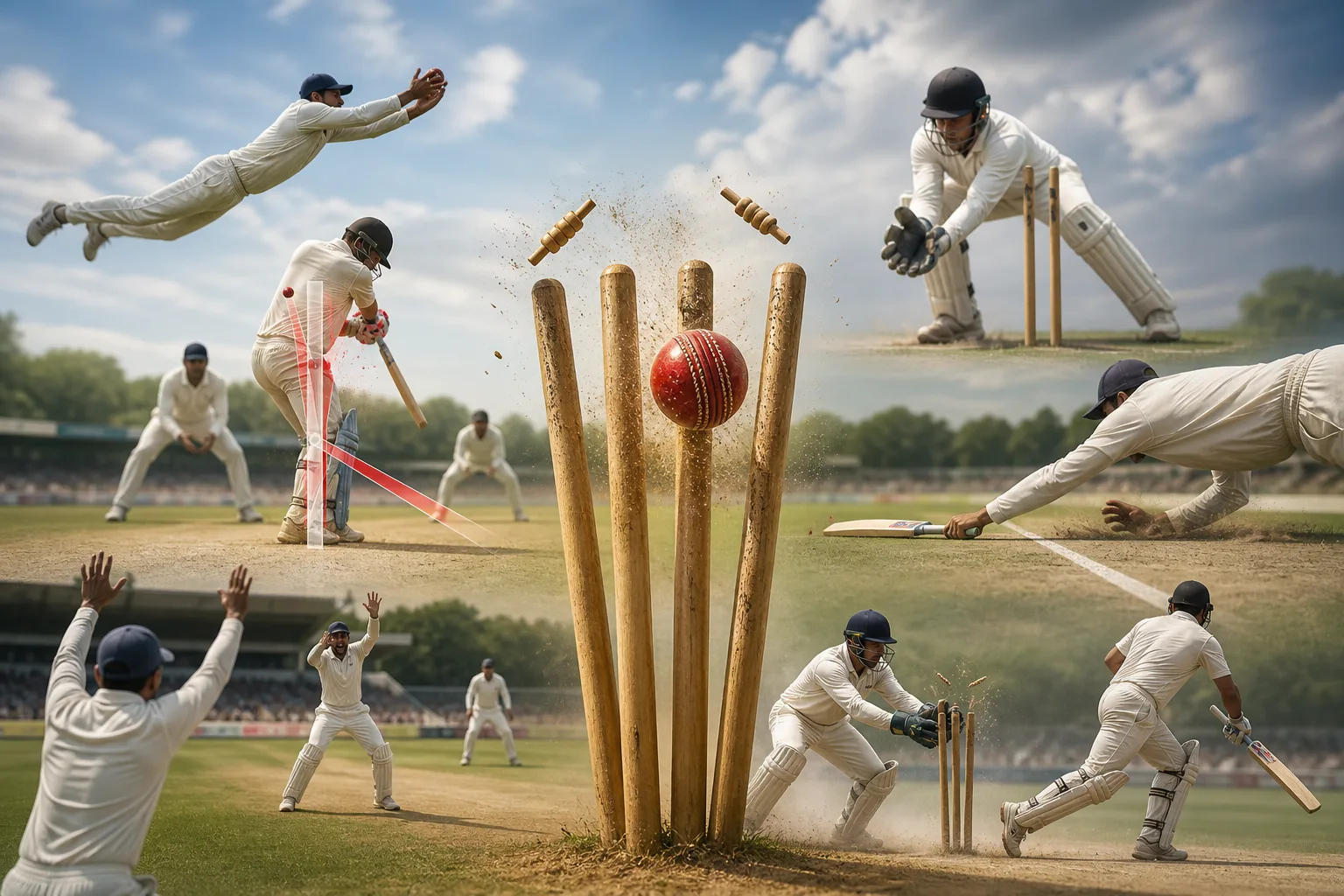
How Many Ways Can You Be Out in Cricket? All 10
All 10 ways a batter can be out under the MCC Laws, with Law numbers, how often each happens, and which dismissals actually credit the bowler.

Cricket Ball Colours: Red, White and Pink Explained
Red, white and pink balls are used in different match conditions. The choice affects visibility and durability, while the competition’s playing conditions decide which ball is supplied.

Cricket Ball Weight and Size: What the Laws Require
A new men’s cricket ball must weigh 155.9–163 grams and measure 22.4–22.9 centimetres in circumference under MCC Law 4. Women’s and junior specifications can differ under the relevant playing conditions.
Wide Ball Rules in Cricket: Runs, Dismissals and the Call
A wide is called when the ball passes outside the striker’s reach for a normal stroke, subject to the umpire’s judgement and competition conditions. It adds at least one extra and does not count as one of the over’s six legal balls.