No-Ball Rules in Cricket: Types, Penalty and Free Hits
On this page6
A no-ball is an unfair delivery called under the Laws or the competition’s playing conditions. It adds a one-run penalty, does not count as one of the six legal balls in the over, and may trigger a free hit in limited-overs cricket when that format’s conditions say so.
What makes a delivery a no-ball?
The umpire calls a no-ball when the delivery breaks a relevant Law or playing condition.
Common examples include a front-foot fault, a dangerous short-pitched or high full toss delivery, a thrown ball, an unannounced change in bowling mode and a bowler breaking the wicket during the delivery. MCC Law 21 is the base reference; format conditions add detail.
How many runs does a no-ball add?
The batting side receives one no-ball penalty run, plus any bat runs, byes, leg-byes or completed running allowed by the scoring Laws.
The penalty is charged to the bowler’s analysis as a no-ball extra, while byes and leg-byes are recorded differently. That is why the total shown on the scoreboard and the bowler’s figures can diverge.
Does a no-ball count as a legal delivery?
No. The ball does not count among the six legal balls in the over, so the bowler must deliver another ball.
This is separate from the one-run penalty. A no-ball can therefore extend an over and also add runs before the next legal delivery is bowled.
For over and bowling context, see our how many overs in ODI cricket, fielding restrictions in cricket and chucking meaning in cricket guides.
Is there a free hit after a no-ball?
Most current limited-overs conditions provide a free hit after a no-ball, but the free hit is a competition rule rather than a universal MCC Law.
The current ICC/competition document controls which no-balls trigger the free hit and what happens after a further no-ball. Test cricket conditions can differ, so a reader should never import an ODI or T20I free-hit rule into a Test scorecard without checking the match regulations.
Can a batter be dismissed on a no-ball?
A no-ball blocks several normal dismissal modes, but run out, hit the ball twice and obstructing the field can remain possible under the Laws.
The exact exception wording matters. A batter cannot normally be bowled, caught, LBW or stumped from a no-ball, yet a batter leaving the crease or attempting a run can still create a run-out situation.
How should umpires explain a no-ball?
The umpire should call and signal the no-ball clearly, then communicate the reason when the ball is dead if the Law requires it.
Players and scorers should wait for the signal before recording the event, because the type of no-ball can affect the penalty, free-hit status and subsequent dismissal possibilities. The match’s current playing conditions always take priority over a generic summary.
Frequently asked questions
What is a no-ball in cricket?+
A no-ball is a delivery the umpire calls unfair under the Laws or the competition's playing conditions, such as a foot fault, dangerous delivery or illegal arm action.
How many runs is a no-ball?+
The batting side receives a one-run no-ball penalty, with any runs completed from the bat or running added according to the scoring laws.
Does a no-ball count in the over?+
No. A no-ball is not one of the six legal balls in the over, so the bowler must deliver another ball.
Is there a free hit after every no-ball?+
Many current limited-overs playing conditions provide a free hit after a no-ball, but the MCC Laws themselves do not create a universal free-hit rule and Test conditions can differ.
Can a batter be out on a no-ball?+
A batter cannot normally be bowled, caught, LBW or stumped from a no-ball, but run out, hit the ball twice and obstructing the field remain possible under the Laws.
What is a front-foot no-ball?+
It is a delivery where the bowler's front foot lands beyond the permitted popping-crease line, judged under the relevant Law and playing conditions.
Sources
Related rules & terms guides
View all →
How Many Ways Can You Be Out in Cricket? All 10
All 10 ways a batter can be out under the MCC Laws, with Law numbers, how often each happens, and which dismissals actually credit the bowler.
Types of Bowling in Cricket: Pace, Swing, Seam and Spin
A clear guide to the main types of bowling in cricket, including pace, swing, seam, off-spin, leg-spin and variations such as cutters and slower balls.

Cricket Fielding Positions Explained: A Simple Field Setup Guide
Learn every main cricket fielding position, where it sits relative to the batter and when captains use slips, point, cover, midwicket and the boundary riders.
Fielding Restrictions in Cricket: ODI and T20 Powerplays Explained
Current men's ODI and T20I powerplays limit how many fielders can stand outside the 30-yard circle. See the phases, penalties and shortened-innings caveats.

Can a Wicketkeeper Bowl in Cricket? The Rule Explained
Yes, a wicketkeeper can bowl in cricket. See how teams switch keepers, when substitutes cannot bowl, and what happens to the gloves and pads.
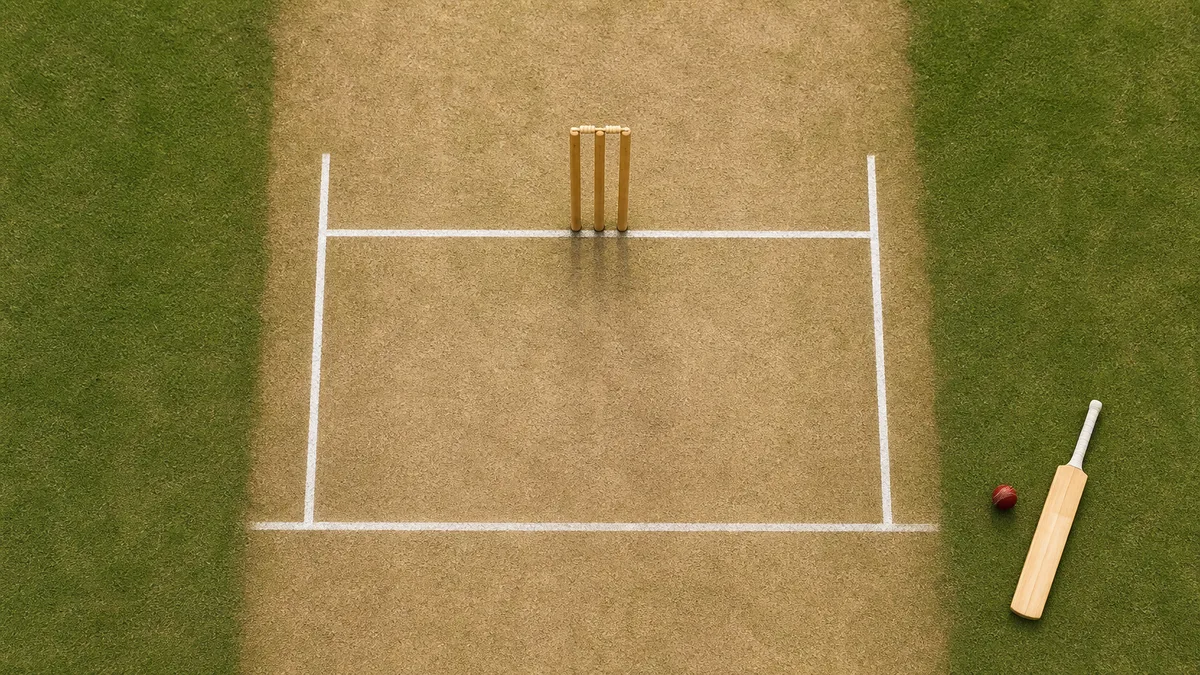
How Many Creases Are There in Cricket? All Lines Explained
A cricket pitch has four creases at each end: one bowling, one popping and two return creases. See all eight positions, dimensions and uses.