LBW Full Form in Cricket: Leg Before Wicket Explained
On this page9
- 01What is the full form of LBW in cricket?
- 02The five conditions for an LBW dismissal
- 03Pitching, impact, and hitting explained
- 04When is a batter not out LBW?
- 05What changes when the batter offers no shot?
- 06Does the ball have to hit the leg or pad?
- 07Simple LBW examples
- 08How does DRS decide an LBW review?
- 09LBW on the scorecard
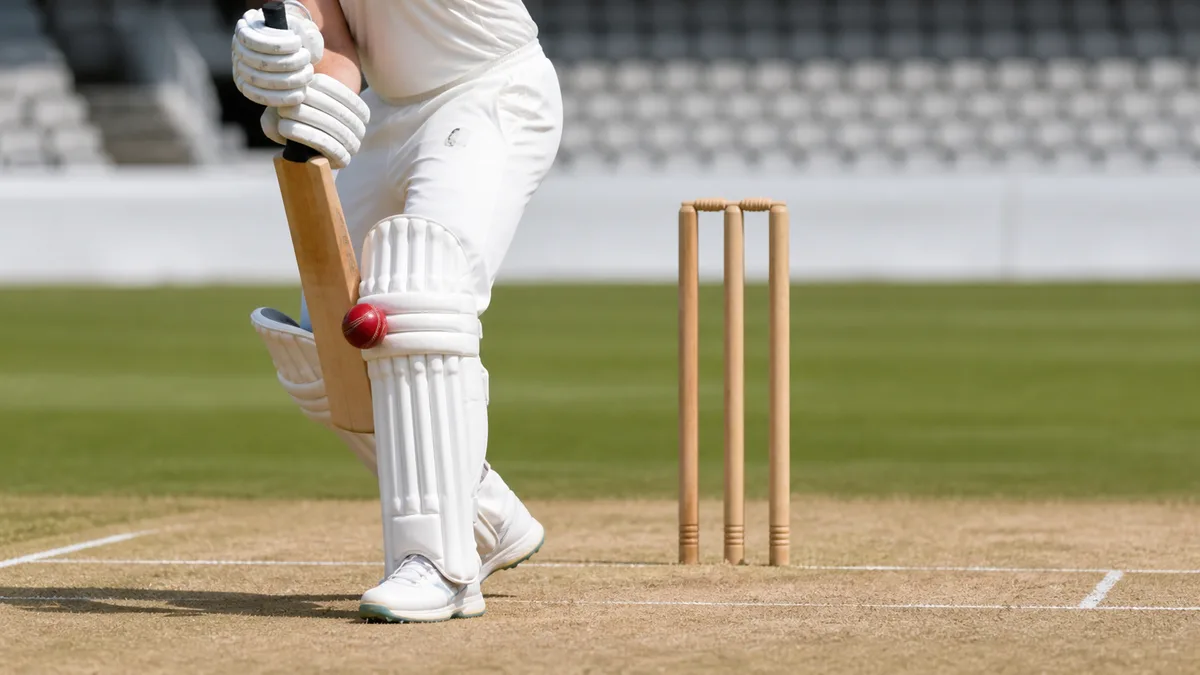
LBW stands for leg before wicket. It is a way of dismissing a batter when a legal delivery hits the body before the bat and would otherwise have hit the stumps. The name is slightly misleading: the ball can strike almost any part of the batter’s body, not only a leg.
What is the full form of LBW in cricket?
The full form is leg before wicket. “Wicket” in this phrase means the three stumps and two bails behind the batter. The rule stops a batter from using the body as a second line of defence when the ball is heading for that target. Close DRS outcomes are explained in our Umpire’s Call guide.
MCC, the custodian of the Laws of Cricket, places LBW under Law 36. The fielding team must appeal, usually by asking “How’s that?”, before the umpire can give the batter out.
LBW is also one of the five dismissal types credited to the bowler. On a scorecard, “lbw b Ahmed” means the batter was out leg before wicket to a delivery bowled by Ahmed.
The five conditions for an LBW dismissal
Every condition in Law 36.1 must apply. If one fails, the batter is not out LBW.
- The delivery is legal. A batter cannot be out LBW from a no-ball.
- The pitching point is permitted. If the ball bounces, it must land in line with the stumps or on the batter’s off side. A ball pitching outside leg stump cannot produce an LBW dismissal.
- The ball hits the body before the bat. Law 36 calls this interception by the batter’s person. The first contact matters.
- The impact point is permitted. It is normally between the two lines of the stumps. Impact outside off stump can count only when the batter made no genuine attempt to play the ball with the bat.
- The ball would have hit the wicket. The umpire projects the path the ball would have taken without the batter in the way.
This order is useful when watching an appeal. Start with the no-ball, then follow pitching, first contact, impact, and the projected path to the stumps.
Pitching, impact, and hitting explained
Broadcast ball tracking usually displays three labels. They correspond to important parts of Law 36, although the technology itself belongs to the Decision Review System rather than the Law.
| Ball-tracking label | Question it answers | A result that prevents LBW |
|---|---|---|
| Pitching | Where did the ball land? | Outside leg stump |
| Impact | Where did it first hit the batter? | Outside leg while playing any shot, or outside off while playing a genuine shot |
| Wickets or hitting | Would the ball have reached the stumps? | Missing above or beside the wicket |
“In line” means within the corridor made by extending the outside edges of the stumps toward the bowler. The popping and bowling crease markings help locate the wicket and legal delivery area, although the LBW corridor itself extends from the stumps. The off side is set from the batter’s stance when the ball comes into play, which matters if the batter later changes stance for a switch hit or another innovative shot.
When is a batter not out LBW?
A batter is not out LBW when any required condition fails. The most common safe outcomes are straightforward:
- the bowler delivered a no-ball;
- the ball pitched outside leg stump;
- the ball touched the bat before the body;
- the batter played a genuine shot and impact was outside off stump;
- impact was outside leg stump;
- the projected path missed the stumps or passed above them;
- the fielding side did not appeal before the next ball began.
Pitching outside off stump does not protect the batter. A ball may land well outside off, turn or swing back, hit the batter in line, and be given out if it would hit the wicket.
What changes when the batter offers no shot?
The impact rule becomes wider. If the batter makes no genuine attempt to play the ball, impact outside off stump can still lead to LBW. The delivery must satisfy every other condition, including a legal pitching point and a path that would hit the wicket.
This is why padding a ball away is risky. A batter who deliberately leaves the bat behind loses the outside-off impact protection available during a genuine stroke. The ball still cannot pitch outside leg stump, and impact outside leg remains not out.
The umpire judges whether there was a genuine attempt, not whether the shot looked technically sound. A missed sweep or defensive prod can still be a real shot.
Does the ball have to hit the leg or pad?
No. Law 36 refers to interception by any part of the batter’s person. The ball may hit a thigh, boot, torso, helmet, or a hand that is not holding the bat. It can even strike above the height of the bails at impact if its later path would come down onto the wicket.
The exception is a hand holding the bat. Under the Laws, that hand is treated as part of the bat for contact purposes. If the delivery touches the bat or a hand holding it before reaching the body, the batter cannot then be out LBW from that ball.
For a complete comparison, see all 10 ways a batter can be out in cricket. LBW, caught, bowled, stumped, and hit wicket are the five credited to the bowler.
Simple LBW examples
These common ball paths show how one failed condition ends the appeal.
| What happened | LBW result | Why |
|---|---|---|
| Ball pitches in line, hits the front pad in line, and would hit middle stump | Out, after an appeal | All five conditions apply |
| Ball pitches outside leg, swings back, and would hit the stumps | Not out | Outside-leg pitching ends the appeal |
| Ball pitches outside off, hits in line, and would hit off stump | Can be out | Pitching outside off is allowed |
| Ball hits outside off while the batter plays a genuine shot | Not out | The shot protects an outside-off impact |
| Ball hits outside off while the batter offers no shot | Can be out | The no-shot exception applies |
| Ball hits the pad first, then the bat, and would hit the wicket | Can be out | Law 36 considers the first interception |
| Ball is a full toss, hits in line, and would hit the stumps | Can be out | A full toss has no pitching point to disqualify it |
The table is a guide, not a substitute for the whole appeal. A no-ball or a projected miss would still produce not out in every row.
How does DRS decide an LBW review?
DRS helps match officials review the on-field decision. The ICC protocol first checks whether the delivery was fair and whether the ball touched the bat before the body. Ball-tracking technology then reports pitching, impact, and whether the projected path reaches the wicket.
“Umpire’s call” applies to a marginal impact or projected contact with the stumps. It preserves the original on-field decision because ball tracking is predicting a path after the ball hits the batter. Therefore, the same marginal projection can leave an out decision as out or a not-out decision as not out.
Umpire’s call does not mean the technology failed. It means the result falls inside the protocol’s margin around the on-field judgment. The ICC’s Decision Review System overview links to the competition-specific protocols.
LBW on the scorecard
The dismissal appears as “lbw b” followed by the bowler’s name. No catcher or other fielder is listed because the bowler receives the wicket directly.
Cricket scorecards shorten many terms in the same way. Our cricket abbreviations and full forms guide covers the common ones, while the ICC full-form explainer distinguishes the governing body from the Laws maintained by MCC.
LBW works in Tests, ODIs, T20s, and other standard forms of cricket. The number of overs changes, as explained in our ODI overs guide, but the core Law 36 test remains the same. For delivery penalties, see our no-ball rules in cricket.
Frequently asked questions
What is the LBW full form in Hindi?+
LBW expands to Leg Before Wicket in English. Hindi commentary commonly transliterates it as “लेग बिफोर विकेट” and explains it as the batter's body blocking a ball that would otherwise hit the wicket. The governing cricket term remains LBW in scorecards and Laws.
Can a batter be LBW if the ball hits the glove?+
A hand holding the bat is treated as part of the bat, so contact there is not body-first contact for LBW. A hand not holding the bat is part of the batter's person and can satisfy the interception condition if every other part of Law 36 also applies.
Can a batter be LBW to a full toss?+
Yes. A full toss has no pitching point to assess, so the outside-leg pitching restriction does not decide the appeal. The umpire still checks that it was not a no-ball, the ball hit the person before the bat, impact was valid, and the projected path reached the wicket.
Can a batter be LBW if the ball hits above the knee?+
Yes. The height of the contact point does not settle the decision. The umpire judges whether the ball would go on to hit the stumps after allowing for bounce and distance. A high impact is often not out because the projected ball passes over, but it is not automatically safe.
Does the bowler receive credit for an LBW wicket?+
Yes. LBW is one of the dismissals credited to the bowler. A scorecard records it as “lbw b” followed by the bowler's name, and the wicket appears in that bowler's figures.
Can a batter be LBW after hitting the ball?+
Not if the ball hits the bat before the body. Law 36 assesses the first interception. If the ball touches the body first and then the bat, however, an LBW decision remains possible because the body contact came first.
Sources
Related rules & terms guides
View all →
What Is Umpire's Call in Cricket? DRS and LBW Explained
Umpire's Call keeps the on-field LBW decision when ball-tracking shows a marginal result. Learn what it means, when it applies and why the review is retained.

How Many Ways Can You Be Out in Cricket? All 10
All 10 ways a batter can be out under the MCC Laws, with Law numbers, how often each happens, and which dismissals actually credit the bowler.
ODI Full Form in Cricket: Meaning, 50 Overs and Rules
ODI means One Day International. Learn its 50-over format, 300 balls, bowler limits, powerplays, DLS rain rules and 60-over history.
What Is a Leg Bye in Cricket? Scoring the Extra
A leg bye is an extra scored when the ball makes contact with the batter or equipment other than the bat and the batters complete runs, subject to Law 23. It is recorded against the team, not the batter’s personal runs.
What Is an Appeal in Cricket? The Umpire’s Decision
An appeal is the fielding side asking an umpire to decide whether a batter is out. Under Law 31, an umpire normally cannot give a batter out without an appeal, except where the Law provides otherwise.

Cricket Ball Colours: Red, White and Pink Explained
Red, white and pink balls are used in different match conditions. The choice affects visibility and durability, while the competition’s playing conditions decide which ball is supplied.