Cricket LBW Rules: how Law 36 decides leg before wicket
On this page8
TL;DR: A batter can be out LBW only when every condition in MCC Law 36 is met: the delivery is not a no-ball, the ball first intercepts the person rather than the bat, the impact and pitching conditions are satisfied, and the ball would have hit the wicket.
This guide explains the Law in plain language, then points readers to the competition document that controls a live decision.
What is the short answer on LBW?
LBW is a checklist, not a single “hit the pad” test. Law 36 requires the delivery, first interception, pitching, impact and projected wicket path all to satisfy the rule.
Why does a no-ball matter?
Law 36.1.1 excludes a delivery that is a no-ball. The umpire must identify the delivery status before applying the LBW conditions.
Why does the first interception matter?
Law 36 says the first interception is the one assessed. A ball that touches the bat before the pad is analysed differently from a ball that first hits the person.
How do pitching and impact affect LBW?
The ball must meet the line and impact conditions in the Law. A genuine attempt to play the ball changes the permitted impact area, which is why a simple pad-impact description is incomplete.
Which source controls the decision?
The MCC 2026 Law 36 explanation is the source used here; competition playing conditions control the match.
What should a scorer record?
Record the dismissal as LBW only after the umpire’s decision and any review process are complete.
What does the comparison table show?
| Topic | Current answer | Source or rule | Editorial caution |
|---|---|---|---|
| Delivery | Not a no-ball | Law 36.1.1 | A no-ball blocks an LBW dismissal |
| First interception | Person before bat | Law 36.1.3 | Only the first interception is assessed |
| Impact | Pitching and impact conditions | Law 36.1.2 and 36.1.4 | The line and genuine shot matter |
| Wicket path | Ball would hit the wicket | Law 36.1.5 | The counterfactual must be satisfied |
The table keeps the definition, decision point and source together. That is safer than relying on a short broadcast phrase or a social-media graphic.
What should readers check next?
Open the named MCC, ICC or board document before applying the explanation to a match. Format-specific playing conditions can add detail to the general Law.
Frequently asked questions
What does LBW stand for?
Leg before wicket.
Can a batter be LBW from a no-ball?
No. Law 36.1.1 excludes a no-ball.
Does the ball have to hit the pad?
The Law refers to interception by any part of the person, subject to the other conditions.
Why does a genuine shot matter?
The impact condition differs depending on whether the striker made a genuine attempt to play the ball.
When should this page be reviewed?
After an MCC Law or playing-condition change.
Who makes the live decision?
The umpire, subject to the competition’s review process.
Related SportsMuntra reading
Frequently asked questions
What does LBW stand for?+
Leg before wicket.
Can a batter be LBW from a no-ball?+
No. Law 36.1.1 excludes a no-ball.
Does the ball have to hit the pad?+
The Law refers to interception by any part of the person, subject to the other conditions.
Why does a genuine shot matter?+
The impact condition differs depending on whether the striker made a genuine attempt to play the ball.
When should this page be reviewed?+
After an MCC Law or playing-condition change.
Who makes the live decision?+
The umpire, subject to the competition’s review process.
Sources
Related rules & terms guides
View all →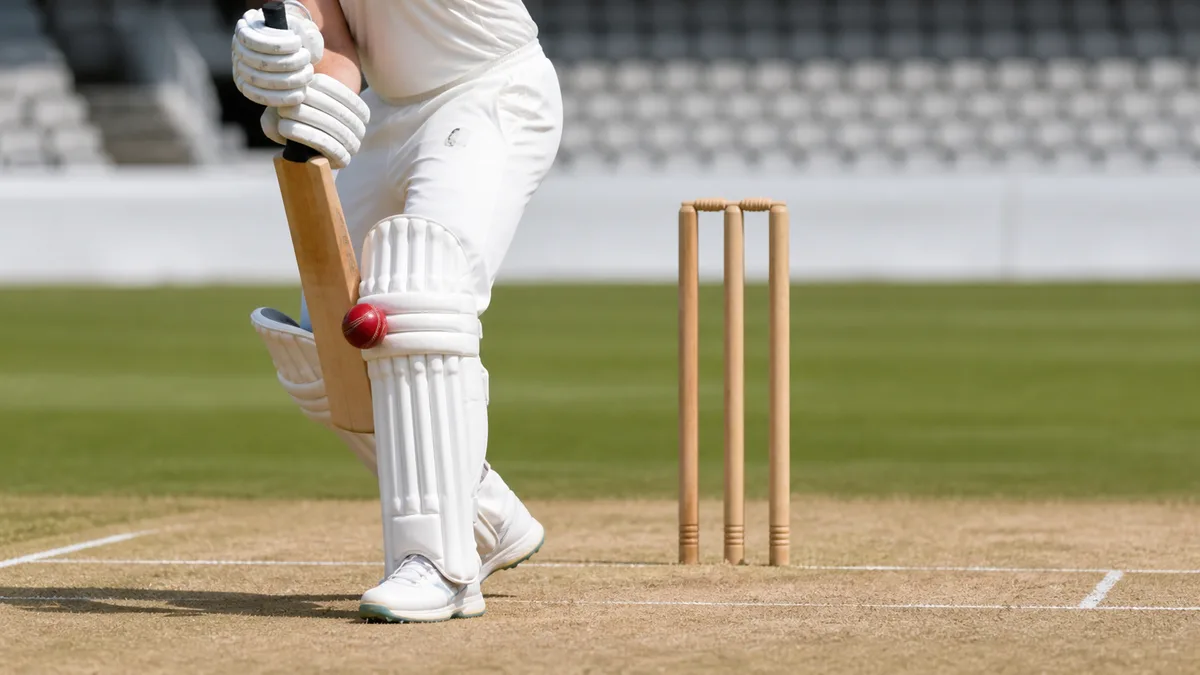
LBW Full Form in Cricket: Leg Before Wicket Explained
LBW stands for leg before wicket. Learn the five conditions in MCC Law 36, when a batter is not out, and how DRS and umpire's call work.
Cricket Batter Out of Ground Rules: when the wicket can be broken
A batter is out of their ground when no part of the bat or person is grounded behind the relevant popping crease. MCC Law 30 connects that definition to run outs, stumpings and other wicket-breaking situations.
Cricket Bat Hits Stumps Rules: when is it Hit Wicket?
A batter can be out Hit Wicket when their bat or person puts down the wicket in the circumstances listed by MCC Law 35. Ball status and the action being attempted matter.
Cricket Non-Striker Run-Out Rules: what Law 38 says
A non-striker can be run out when out of their ground and the wicket is fairly put down while the ball is in play, subject to the current wording and the withdrawal provisions in MCC Law 38. It is a run-out dismissal, not a separate informal rule.
Cricket Hit-Wicket Rules: when the batter is dismissed
A batter is out Hit Wicket when the wicket is put down in the circumstances listed in MCC Law 35, including actions connected with receiving or playing the ball. The exact timing and exceptions matter.
Cricket Leg-Bye Rules: when runs count
Leg-bye runs can be scored when the ball hits the batter or clothing rather than the bat, but MCC Law 23 applies conditions about playing a shot, avoiding the ball and attempting a run. The umpire's signal and the competition rules complete the answer.