Cricket Crease Rules: popping, bowling and return creases explained
On this page8
TL;DR: The cricket pitch uses marked creases to define the batter’s ground and the bowler’s legal delivery area. The popping crease, bowling crease and return creases have different jobs under MCC Laws 6 and 7.
This guide explains the Law in plain language, then points readers to the competition document that controls a live decision.
What is the short answer on cricket creases?
The three main crease markings do different jobs. The popping crease protects the batter’s ground, the bowling crease sits through the wicket, and the return creases help judge the bowler’s legal position.
What does the popping crease do?
It marks the ground a batter must make good to avoid being out of the ground. The relevant edge of the line, not a casual view of the paint, matters in close decisions.
What does the bowling crease do?
The bowling crease is the line through the stumps. It helps define the wicket area and the pitch layout, but it does not replace the popping crease in a run-out decision.
What do return creases do?
Return creases run along the sides of the pitch and help determine whether the bowler’s feet are legally placed during the delivery stride.
Which source controls the definitions?
The MCC law appendices define the crease and delivery terms; the competition’s playing conditions apply on match day.
Why do crease diagrams help?
A diagram separates the lines spatially. It prevents the common mistake of calling every crease the batting crease or assuming the bowler’s front-foot line is the only restriction.
What does the comparison table show?
| Topic | Current answer | Source or rule | Editorial caution |
|---|---|---|---|
| Popping crease | Defines the batter’s ground | Batter and run-out decisions | The line’s relevant edge controls |
| Bowling crease | Runs through the stumps | Pitch layout and wicket area | It is not the same as the popping crease |
| Return crease | Controls the bowler’s position | No-ball foot-fault rules | The bowler must stay within the legal area |
The table keeps the definition, decision point and source together. That is safer than relying on a short broadcast phrase or a social-media graphic.
What should readers check next?
Open the named MCC, ICC or board document before applying the explanation to a match. Format-specific playing conditions can add detail to the general Law.
Frequently asked questions
How many main creases are there?
The pitch uses a popping crease, bowling crease and return creases.
Which crease protects the batter?
The popping crease defines the batter’s ground.
Which crease controls the bowler’s side position?
The return creases.
Is the bowling crease the same as the popping crease?
No. They have different positions and purposes.
When should this page be reviewed?
After an MCC Law or playing-condition change.
Who judges a close crease decision?
The umpires, with review technology where the competition permits it.
Related SportsMuntra reading
Frequently asked questions
How many main creases are there?+
The pitch uses a popping crease, bowling crease and return creases.
Which crease protects the batter?+
The popping crease defines the batter’s ground.
Which crease controls the bowler’s side position?+
The return creases.
Is the bowling crease the same as the popping crease?+
No. They have different positions and purposes.
When should this page be reviewed?+
After an MCC Law or playing-condition change.
Who judges a close crease decision?+
The umpires, with review technology where the competition permits it.
Sources
Related rules & terms guides
View all →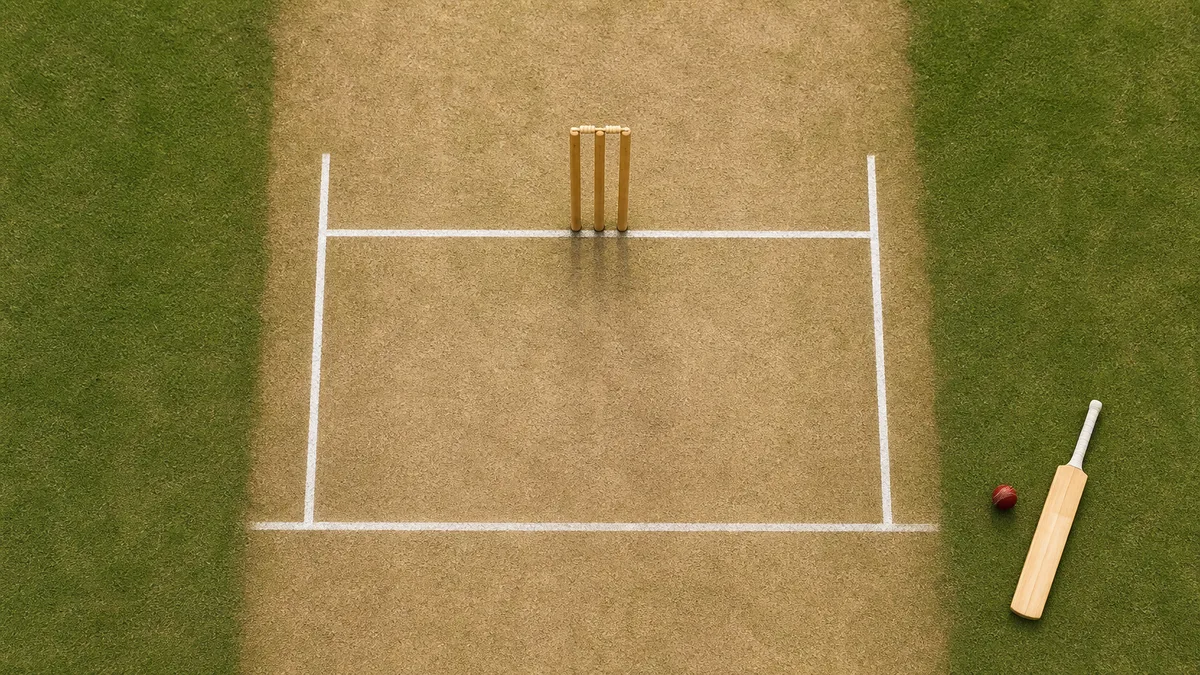
How Many Creases Are There in Cricket? All Lines Explained
A cricket pitch has four creases at each end: one bowling, one popping and two return creases. See all eight positions, dimensions and uses.
Bowling Spell Meaning in Cricket: Overs, Rest and Scorecards
A bowling spell is the continuous block of overs a bowler delivers before leaving the attack. Learn how spells appear in strategy and scorecard analysis.
Cricket Retired-Hurt Rules: when a batter can return
A batter who retires because of illness or injury may return under the applicable playing conditions, while a voluntary retirement can require the opposing captain’s consent. The scorecard must show the status accurately.
Cricket Delivery Stride Rules: how the action is judged
The delivery stride is the part of the bowling action used to apply several no-ball and foot-position rules. It is a defined movement and timing concept, not simply the moment the ball leaves the hand.
Types of Bowling in Cricket: Pace, Swing, Seam and Spin
A clear guide to the main types of bowling in cricket, including pace, swing, seam, off-spin, leg-spin and variations such as cutters and slower balls.
Chucking Meaning in Cricket: Illegal Bowling Actions Explained
Chucking means throwing rather than legally bowling. Learn the MCC arm rule, the ICC 15-degree assessment threshold and the fair reporting process.