Can a Wicketkeeper Bowl in Cricket? The Rule Explained
On this page9
- 01How a wicketkeeper changes into a bowler
- 02What do the Laws actually say?
- 03Can the wicketkeeper bowl immediately after keeping?
- 04Who keeps wicket when the wicketkeeper bowls?
- 05Nominated player, substitute and replacement: the crucial difference
- 06Does the wicketkeeper need special permission to bowl?
- 07Can a wicketkeeper bowl in every format?
- 08A quick match-day checklist
- 09Law-version note for 2026
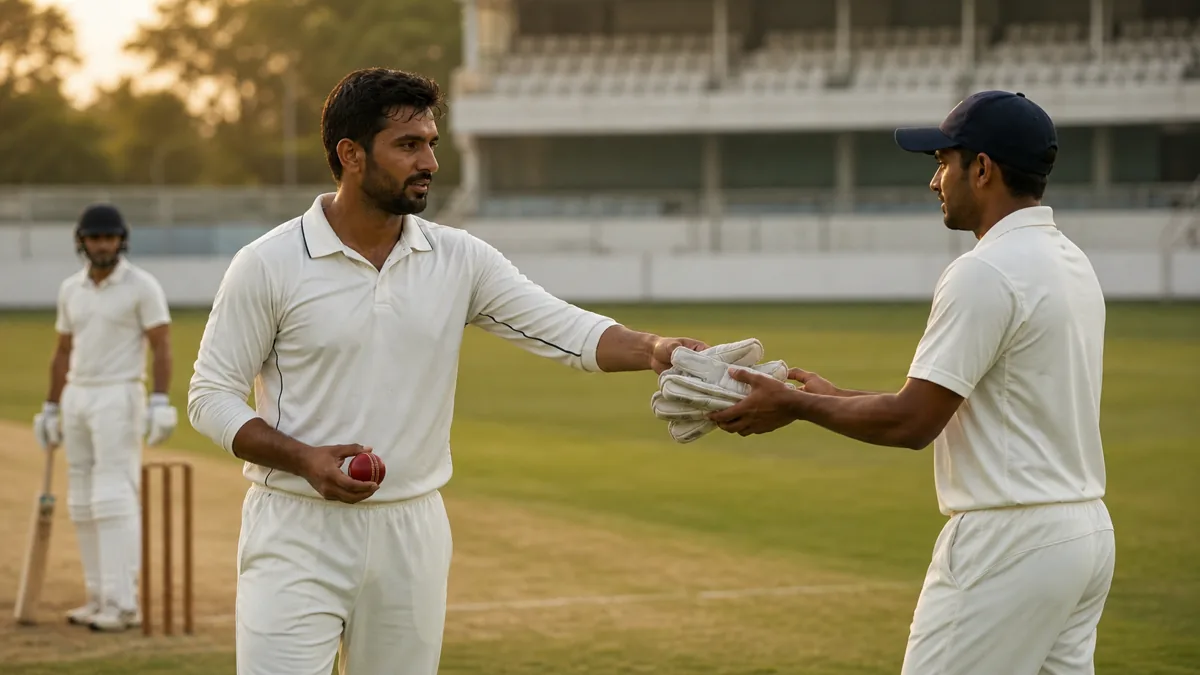
Yes, a wicketkeeper can bowl in cricket. A player in the named eleven is not locked into one job for the whole innings. The keeper can remove the gloves and external leg guards, another eligible fielder can take over behind the stumps, and the former keeper can bowl.
The important exception is a substitute fielder. A substitute may be allowed to keep wicket, but cannot bowl. That distinction is the source of most confusion around this rule.
How a wicketkeeper changes into a bowler
The switch is simple in an ordinary match:
- Play stops while the ball is dead.
- The current keeper removes the wicketkeeping gloves and external leg guards.
- Another eligible player takes over as wicketkeeper.
- The incoming bowler tells the umpire whether they will bowl right- or left-handed and over or round the wicket.
- The over begins under the competition’s normal bowling limits.
Cricket’s Laws define what the wicketkeeper may wear and where that player must stand, but they do not make wicketkeeping a permanent assignment. The same named player can therefore bat, keep, field elsewhere and bowl during one match.
This fits the wider structure of a side. A cricket team has eleven players with flexible match roles, not a separate legal roster of fixed keepers, bowlers and batters.
What do the Laws actually say?
No MCC clause needs to say “a wicketkeeper may bowl” because the Laws do not restrict bowling to players nominated as bowlers. Instead, three Laws settle the question together.
| Law | What it establishes | Why it matters here |
|---|---|---|
| Law 27 | Only the recognised wicketkeeper may wear gloves and external leg guards; the keeper also has special positioning rules | The player must give up the keeping role and equipment before bowling |
| Law 24 | A substitute fielder cannot bowl, although a substitute may keep with umpire consent | A named player and a substitute are not interchangeable |
| Law 21 | The umpire must know the bowler’s handedness and whether the delivery is over or round the wicket | The former keeper follows the same notification rule as every other bowler |
That is the legal chain behind the answer. The role change is allowed because a nominated player remains eligible to perform normal fielding-side duties unless another restriction applies.
Can the wicketkeeper bowl immediately after keeping?
Yes. There is no automatic one-over or time-based wait simply because a player has just kept wicket. If the player was already on the field, changes equipment and hands the gloves to an eligible teammate, the player can bowl the next over.
The confusion usually comes from Law 24’s Penalty time rules. A player who has been absent from the field may have to spend time back on the field before being permitted to bowl. That restriction follows an absence; it does not follow wicketkeeping.
Consider two different situations:
- The keeper has been behind the stumps throughout the previous over and now wants to bowl. No absence-related Penalty time has been created.
- The keeper left the field for a lengthy period, returned, fielded briefly and now wants to bowl. Penalty time may prevent the player from bowling immediately, subject to the Law’s exceptions.
Keeping and absence should therefore be checked separately.
Who keeps wicket when the wicketkeeper bowls?
Another eligible member of the fielding side must become the wicketkeeper for those deliveries. The team cannot leave the position legally empty and still have a fielder wearing keeper’s gloves somewhere else.
MCC Law 27 gives the recognised wicketkeeper two equipment rights that ordinary fielders do not have:
- wicketkeeping gloves;
- external leg guards.
The incoming keeper may wear that equipment. The former keeper, now bowling or fielding, may not. The incoming keeper must also obey the positioning and movement rules behind the striker’s wicket.
This matters for dismissals. A stumping can be completed only by the recognised wicketkeeper, while catches, run-outs and other dismissals follow their own conditions. The distinctions are mapped in our guide to the recognised ways a batter can be out.
Nominated player, substitute and replacement: the crucial difference
People often use “substitute keeper” for anyone who takes the gloves. Under the Laws, that wording can hide three different legal positions.
| Player status | May act as wicketkeeper? | May bowl? |
|---|---|---|
| Nominated player in the playing eleven | Yes | Yes, subject to normal restrictions |
| Substitute fielder | Only with umpire consent | No |
| Authorised replacement who becomes a nominated player | Yes | Yes, subject to normal restrictions |
A teammate from the original eleven taking the gloves while the regular keeper bowls is simply another nominated player changing roles. That player is not a substitute.
A substitute fielder is on the field in place of an absent nominated player but does not take that player’s place in the official eleven. Law 24.1.2 expressly prevents the substitute from bowling or captaining. The umpires may permit the substitute to keep wicket, but that permission does not turn the substitute into a bowler.
An authorised replacement is different again. Once the competition rules and officials recognise the replacement as a nominated player—for example, under an applicable replacement procedure—the player is no longer limited to substitute-fielding duties.
Does the wicketkeeper need special permission to bowl?
A nominated player does not need a special licence from the umpire merely because that player was the wicketkeeper. The captain still needs to manage the change openly so the officials, batters and scorers know who is keeping and who is bowling.
Before the first delivery, Law 21 requires the umpire to establish:
- whether the bowler is right- or left-handed;
- whether the bowler will deliver over or round the wicket.
The striker must be informed, and an unnotified change can produce a no-ball. The former keeper is treated exactly like any other bowler on this point.
Can a wicketkeeper bowl in every format?
The basic answer is yes in Test cricket, one-day cricket and T20 cricket. The role switch does not change the format’s ordinary bowling restrictions.
| Format | Can the keeper bowl? | Main additional limit |
|---|---|---|
| Test or other multi-day cricket | Yes | No fixed per-innings over quota under the standard Laws |
| ODI or 50-over cricket | Yes | Competition rules normally limit each bowler to one-fifth of the scheduled overs |
| T20 cricket | Yes | Competition rules normally limit each bowler to one-fifth of the scheduled overs |
For a standard 50-over innings, that usually means a maximum of ten overs for one bowler; our ODI overs guide explains how reductions affect the innings. A T20 bowler normally has four. Always check the competition’s playing conditions, especially in shortened, junior or local cricket.
A quick match-day checklist
Before a keeper bowls, the captain and officials should be able to answer all six questions:
- Is the player part of the nominated eleven or an authorised replacement?
- Has the player been absent long enough for Penalty time to matter?
- Who will act as wicketkeeper for the next delivery?
- Have the keeper’s gloves and external leg guards changed hands?
- Has the bowler’s handedness and over/round mode been stated?
- Is the bowler still within the format’s over limit?
If those points are settled, there is nothing unusual left in law. The delivery is judged like any other ball.
Law-version note for 2026
As of 26 August 2026, MCC’s 2017 Code, third edition from 2022, remains the generally current Law edition. MCC has published a fourth edition, but it comes into force on 1 October 2026. ICC has also said it will adopt the remaining MCC changes from that date.
The published update adjusts several wicketkeeper provisions, including wording around the keeper’s position, but it does not turn wicketkeeping into a fixed role or prohibit a nominated keeper from bowling. The direct answer remains the same on either side of the changeover date.
The scorecard may mark a player with WK to show who kept wicket, but that is a record of the role, not a ban on bowling. More notation is explained in the cricket abbreviations and full forms guide.
Frequently asked questions
Can a wicketkeeper be a bowler?+
Yes. A player named in the team's playing eleven may keep wicket and bowl in the same innings or match. Another eligible player must take over as wicketkeeper before that player bowls.
Can a wicketkeeper bowl directly after keeping?+
Yes, if the player has remained on the field and is otherwise eligible to bowl. Keeping wicket does not create an automatic waiting period. Penalty time can apply after a player's absence from the field, but that is a separate rule.
Does a wicketkeeper need the umpire's permission to bowl?+
A nominated player does not need special permission merely to change from wicketkeeper to bowler, though the officials must know who is acting as keeper and the bowler must state the mode of delivery. A substitute fielder needs umpire consent to act as wicketkeeper and cannot bowl.
Can a substitute wicketkeeper bowl?+
No, not while acting only as a substitute fielder. MCC Law 24.1.2 says a substitute cannot bowl or captain, although the umpires may consent to the substitute acting as wicketkeeper. An authorised replacement who becomes a nominated player is different.
Can a wicketkeeper wear keeping pads while bowling?+
No. Only the player currently recognised as wicketkeeper may wear wicketkeeping gloves and external leg guards. The former keeper must remove them before bowling.
Can a wicketkeeper bowl in Test, ODI and T20 cricket?+
Yes. The basic Laws do not reserve bowling for specialist bowlers or prevent a nominated wicketkeeper from bowling. Format-specific playing conditions still govern matters such as the maximum overs one bowler may deliver.
Sources
Related rules & terms guides
View all →
How Many Ways Can You Be Out in Cricket? All 10
All 10 ways a batter can be out under the MCC Laws, with Law numbers, how often each happens, and which dismissals actually credit the bowler.
Cricket Practice on the Field Rules: What Players Can Do
MCC Law 26 limits practice on the field during a match, including when players may practise bowling or batting and how deliberate practice can lead to penalty runs or other action.
What Is the Follow-On in Test Cricket? Law 14 Explained
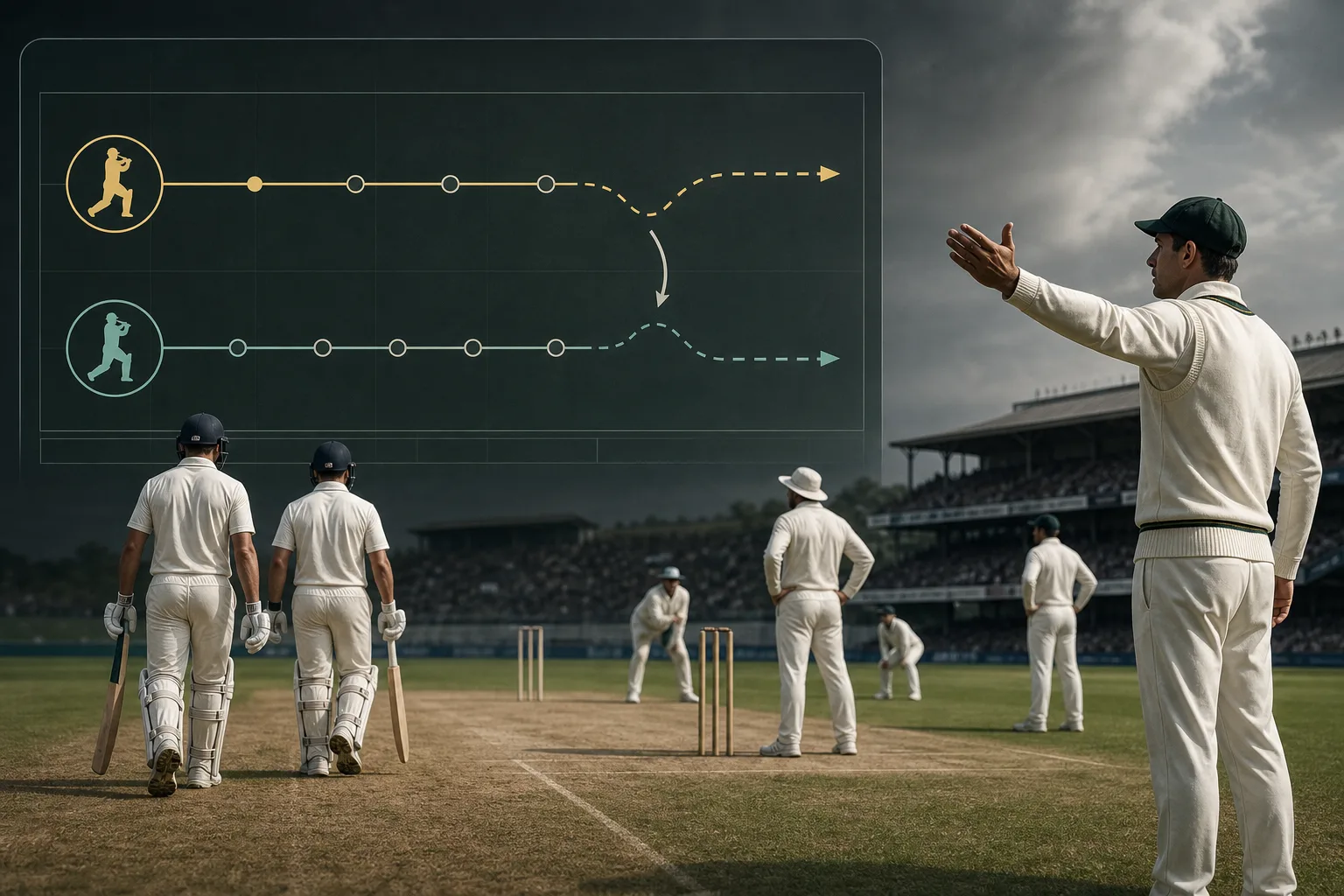
The follow-on lets a captain make the trailing side bat again. Here are the 200-run rule, the margins for shorter matches, and when enforcing it backfired.

Cricket Bowled Rules: When Is the Wicket Put Down?
MCC Law 32 makes a batter out Bowled when a delivery breaks the striker's wicket, even if it first touches the bat or body, provided the delivery is not a No ball and the relevant exceptions do not apply.

Cricket Caught Rules: When Does a Catch Dismiss a Batter?
Under MCC Law 33, a catch is completed when a fielder controls the ball and it has not touched the ground, subject to the Law's conditions about boundary contact and a fielder's position.

Cricket Covering the Pitch Rules: What Covers Protect
MCC Law 10 governs covering the pitch and explains how the pitch and other parts of the playing area may be protected before and during play under the competition arrangements.